How to turn a raw idea into a product plan
A step-by-step walk through research, features, user journeys and tasks, so you know exactly what to build before you start.
 TwoSprint Team
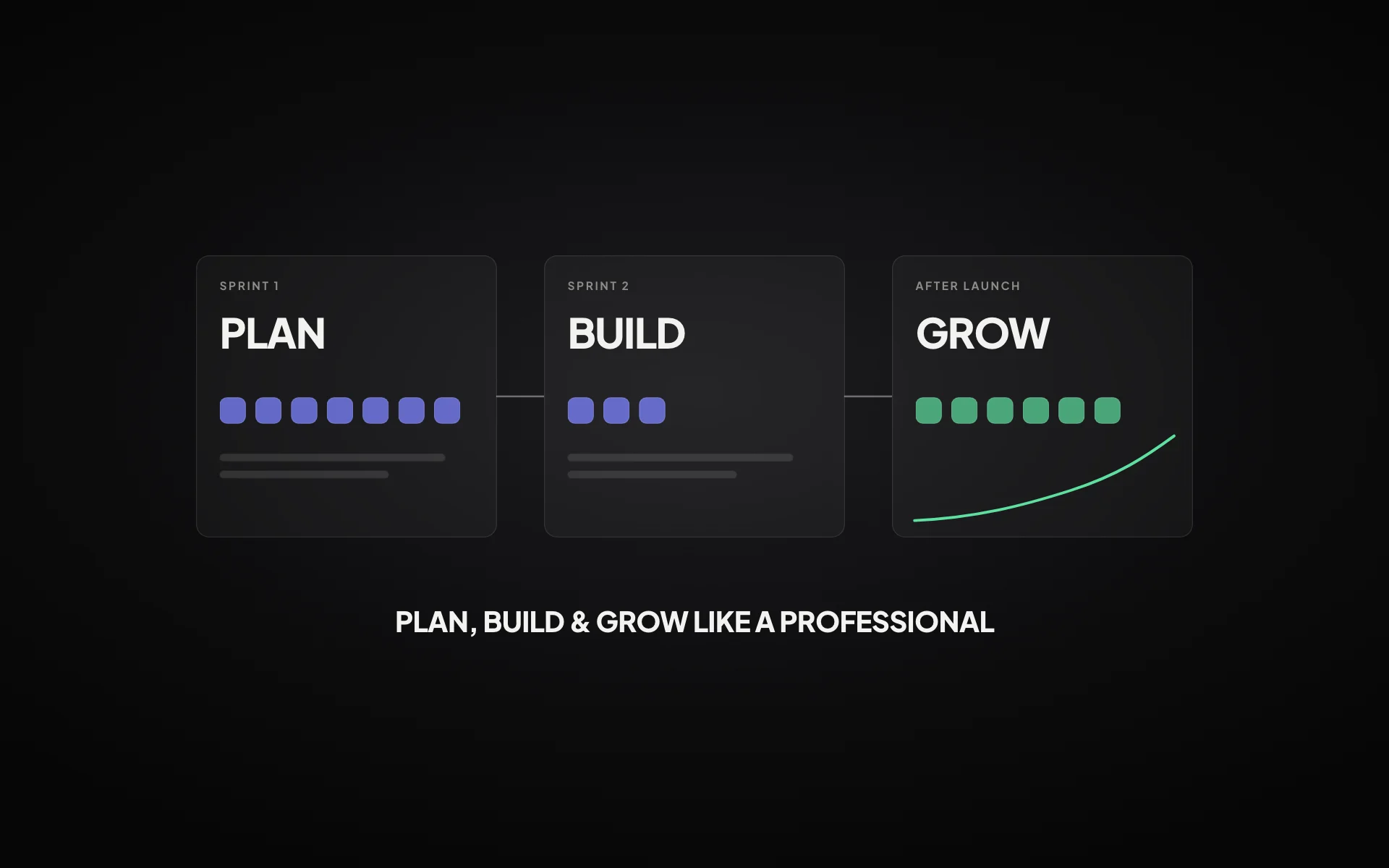
Most products don’t fail because the idea was bad. They fail because nobody decided what the product actually was before the building started. Screens get made, features get added, and three months later the team is still arguing about who the product is for.
A product plan fixes that. It is not a hundred-page document; it is a small set of decisions, made in the right order, that everything else is built on. Here is the order we use in Sprint 1.
1. Start with the problem, not the solution
Write one sentence that describes who has the problem and what it costs them today. If you can’t write that sentence, you don’t have an idea yet, you have a feature. Then look at how people solve the problem now: spreadsheets, competitors, workarounds. Those are your real competitors.
2. Define the users you are building for
Pick one or two primary users and describe them in plain language: what they are trying to get done, what slows them down, and what would make them switch. Everything you decide later should be checked against these people.
If a feature doesn’t clearly help one of your primary users, it goes to the “later” list.
3. Turn needs into a feature set
Now list the features, grouped by what they do for the user: the core features without which the product doesn’t work, the supporting features that make it pleasant, and the integrations it depends on. Be ruthless about the first version.
- Core: the smallest set that solves the problem end to end
- Supporting: things that make the core faster or clearer
- Later: everything else, written down so it isn’t lost
4. Map the journeys
A feature list tells you what exists; a journey tells you how someone actually moves through it. Map how a new user discovers the product, gets to their first result, and comes back. This is where most missing screens show up.
5. Break it into tasks
Finally, turn the plan into ordered work with clear dependencies. When the plan is complete, building becomes a matter of execution instead of a series of guesses.
A good plan doesn’t slow you down. It removes the decisions you would otherwise make in the middle of building.
That is exactly what Sprint 1 in TwoSprint is designed to do: take your raw idea through research, features, journeys, flows, design and tasks, so Sprint 2 can build from a complete blueprint.
Plan, build and grow like a professional
Turn your idea into a structured product plan, build it into a working product, and grow with dedicated tools.
Start your productKeep reading
All posts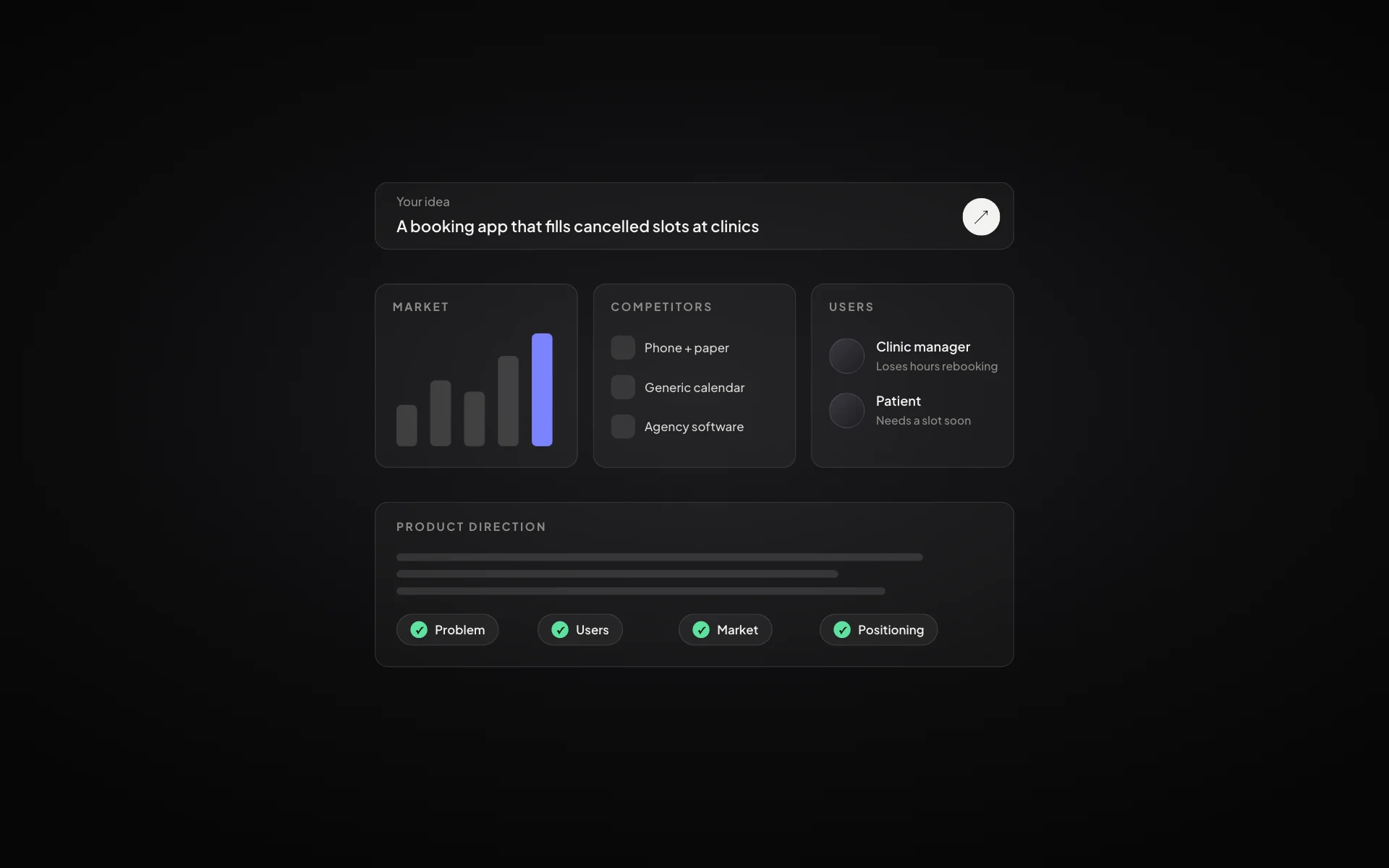
How to validate a startup idea before you build anything
Five checks that tell you whether an idea is worth building: the problem, the people, the alternatives, the willingness to pay and the first channel.
Read article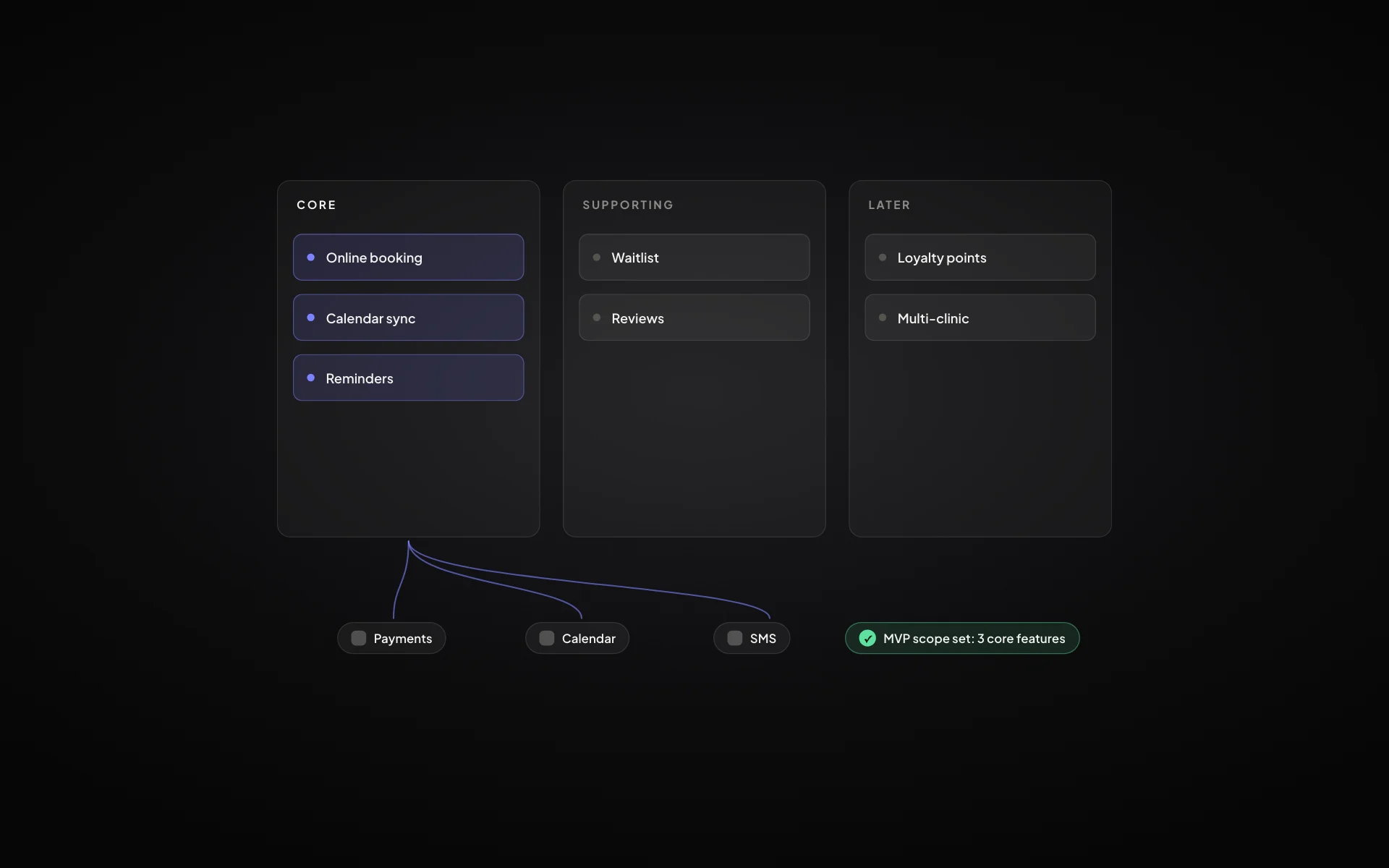
MVP scope: how to decide what goes into version one
A practical way to cut a feature list down to a minimum viable product that still solves the problem end to end.
Read article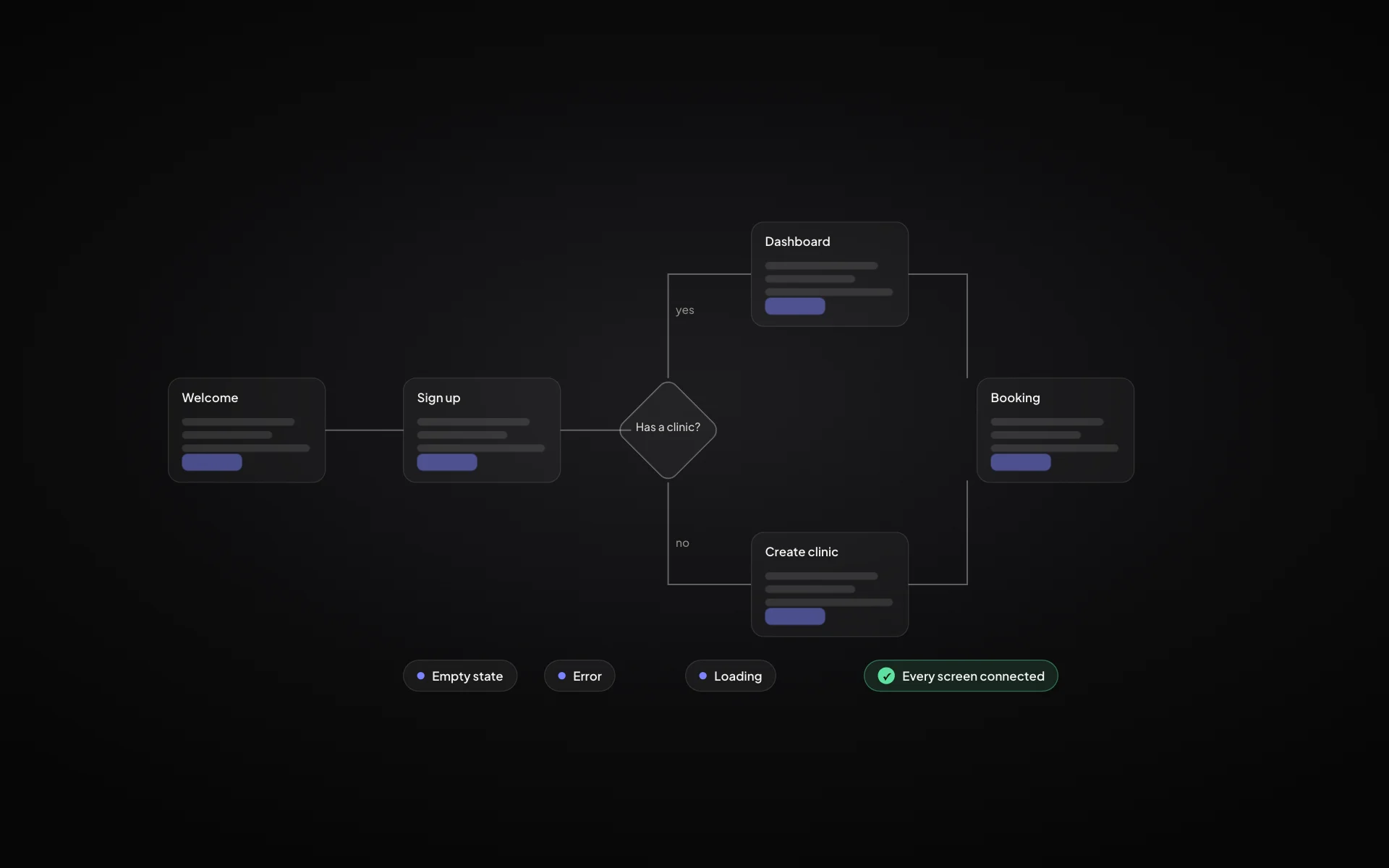
User flow vs user journey: what’s the difference and when to use each
Journeys show the whole experience over time; flows show the exact screens and decisions. Here is how they fit together in a product plan.
Read article